
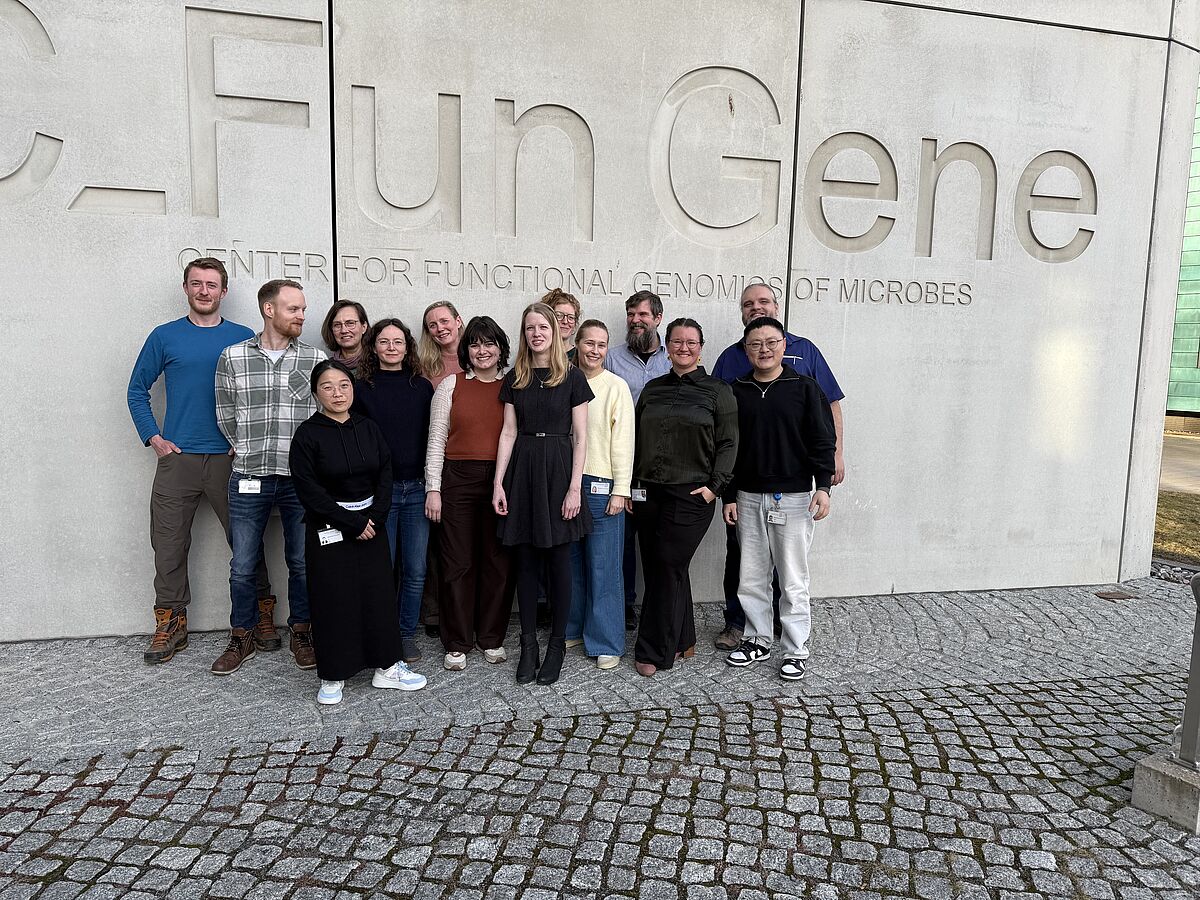
Bacterial Physiology
Tim Urich
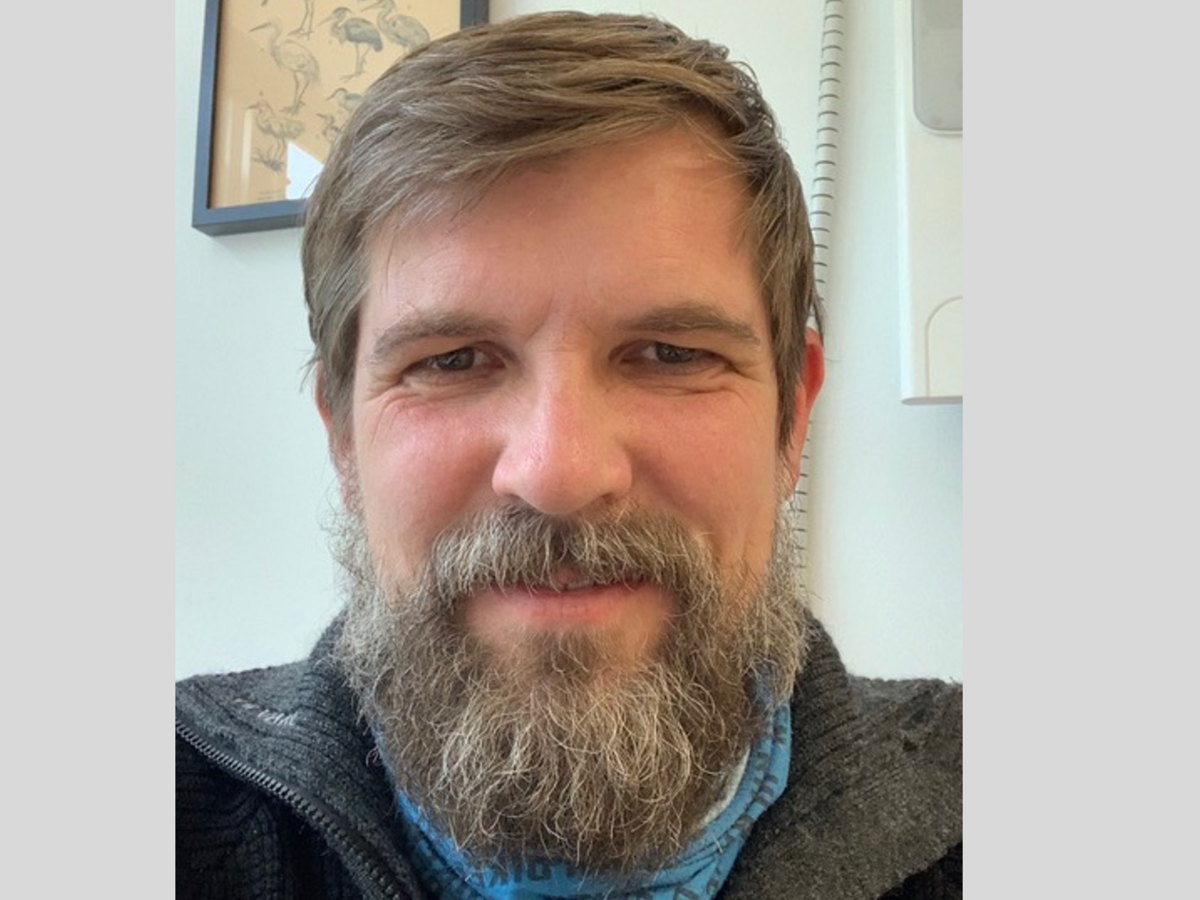
Dr. rer. nat, Professor
Group leader
tim.urich[at]uni-greifswald.de
in prep
Annett Mikolasch
Dr.rer.nat, Senior Scientist
annett.mikolasch[at]uni-greifswald.de
Assistant for Research and Teaching. Studying the degradation/transformation of pollutants by microorganisms and the white biotechnology – laccases as catalysts.
Lectures in Microbial Degradation of Natural Products and Xenobiotics
Lectures in Microbiology of drinking water and waste water
Experiences in dealing with HPLC/UV-Vis, GC/MS, LS/MS
Anne Reinhard
Technical Assistant, Laboratory Manager
Haitao Wang

Dr.rer.nat, PI/Postdoc
haitao.wang[at]uni-greifswald.de
I am a microbial ecologist investigating the diversity, ecology, and functioning of environmental microbiomes, with a particular focus on microorganisms involved in methane and nitrogen cycling. By integrating molecular, meta-omics, biogeochemical, and statistical approaches, I seek to understand how microbial communities shape ecosystem functioning and influence greenhouse gas emissions under environmental change.
My current research focuses on the ecophysiology of ammonia-oxidizing archaea in fen peatlands, the dynamics of nitrogen- and methane-cycling microbiomes in rewetted fens and their links to greenhouse gas emissions, and the integration of microbiome, environmental, and biogeochemical datasets using advanced statistical and modeling approaches.
I currently lead the DFG-funded project “Ecophysiology of peat ammonia-oxidizing archaea and their impact on nitrification and ecosystem functioning in fen peatlands” (Principal Investigator, WA 5585/1-1, 2025–2028).
Links
WETSCAPES: www.wetscapes.uni-rostock.de
Google Scholar: scholar.google.com/citations
Research Gate: www.researchgate.net/profile/Haitao-Wang-43
Mathilde Borg Dahl
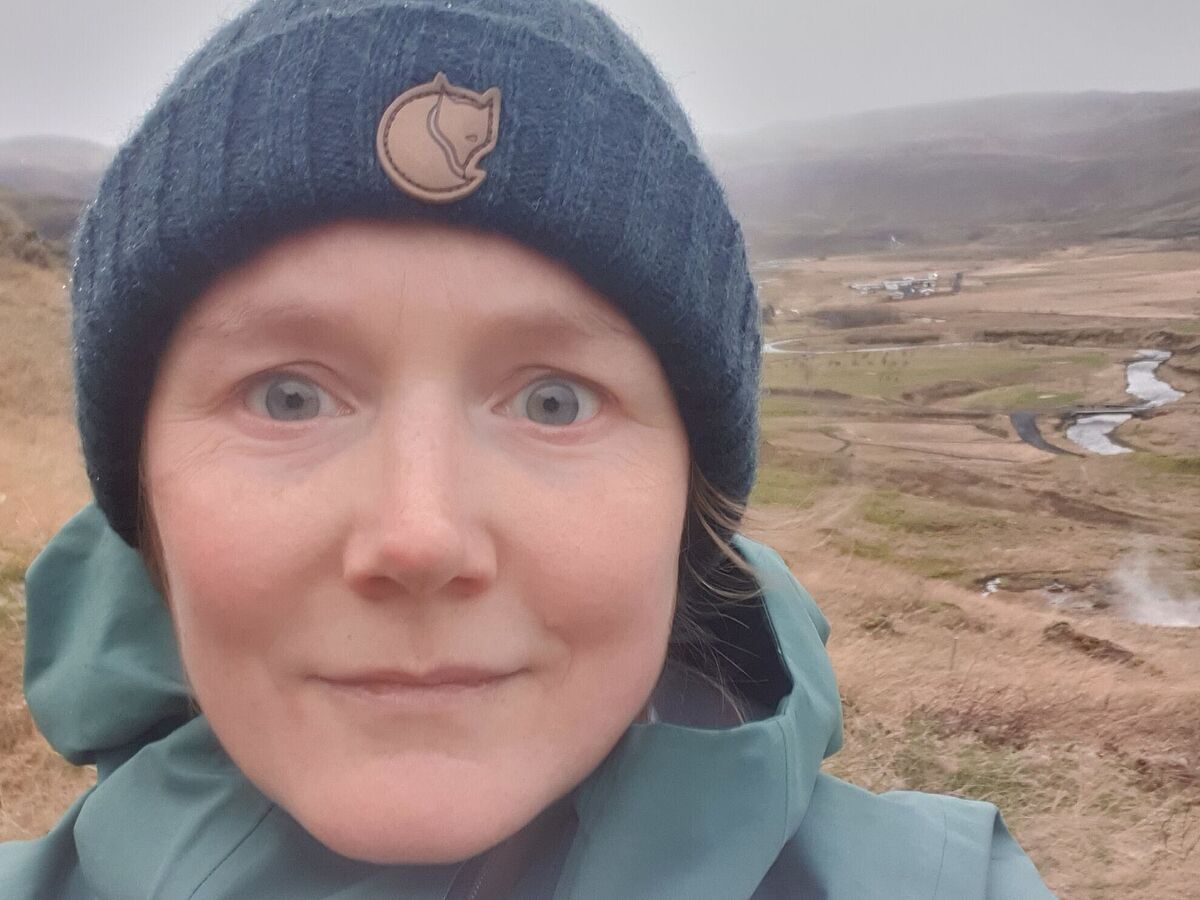
Dr.rer.nat, PI/Postdoc
dahlm[at]uni-greifswald.de
I am a soil ecologist focusing on mineralisation processes and nutrient dynamics in grassland soils, driven by interactions within the soil (micro)biota. My research specialises in cold environments, where frost and seasonality shape unique ecological processes. I aim to fully understand the dynamics of these systems, often delving into the intricate complexity of food web structures and relationships between organisms. This holistic approach allows me to unravel the interconnectedness that drives these ecosystems.
PI of my DFG fundined project (BO 5559/1-1) "Quantitative molecular assessment of the soil biota in high-latitude grasslands impacted by long-term warming"
Links
Google Scholar (external link)
Research Gate (external link)
Katrina Funkner
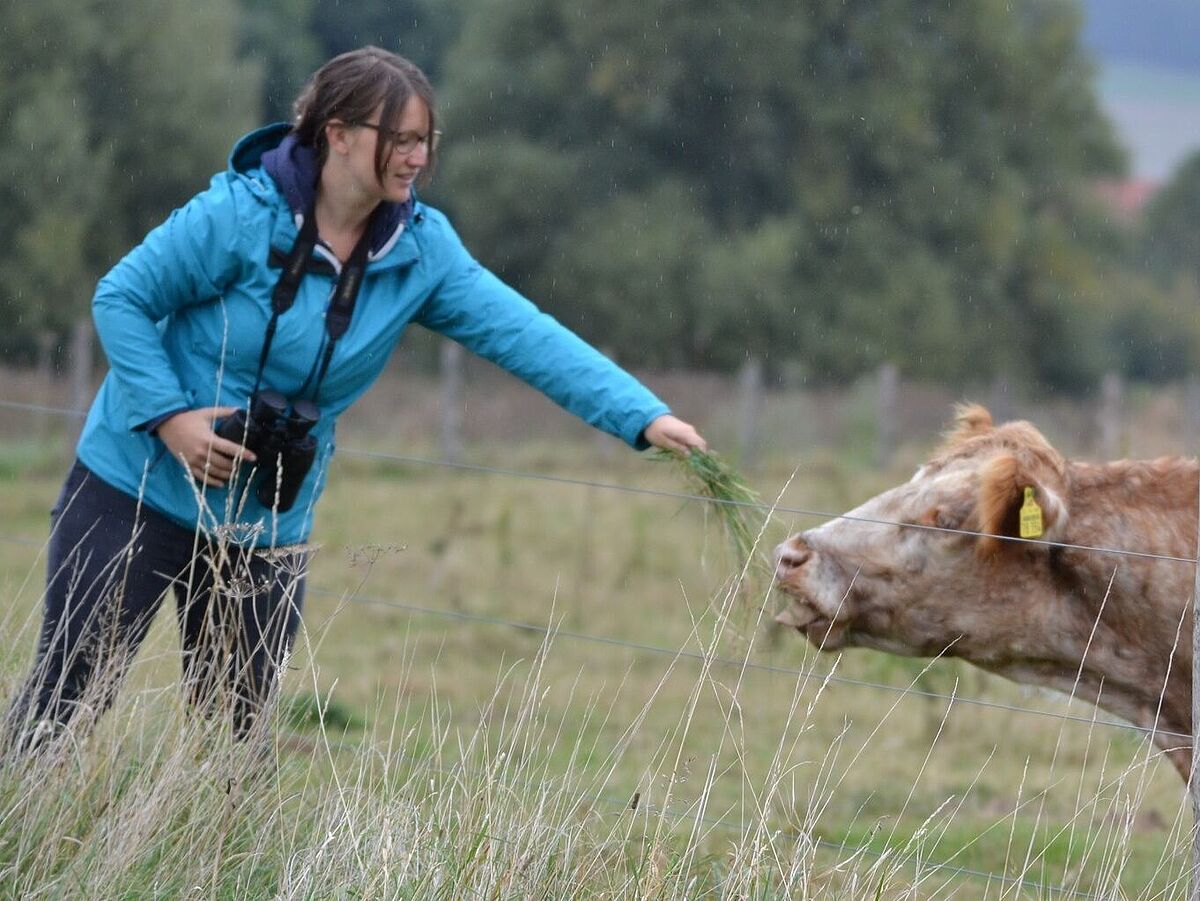
Dr. rer. nat, Postdoc
katrina.funkner[at]uni-greifswald.de
I am a microbiologist working within the nationally funded excellence project Alg4Nut, aiming to investigate the impact of algae-based feed additives on methane production in cattle. The project focuses on sustainably reducing methane emissions from livestock farming by specifically modulating the ruminal microbial community. To elucidate the underlying mechanisms, I combine anaerobic cultivation techniques with 16S rRNA gene community profiling and metatranscriptomic analyses — with a particular focus on the effects of specific algal compounds on methanogenesis.
Alg4Nut (project website)
Verena Groß
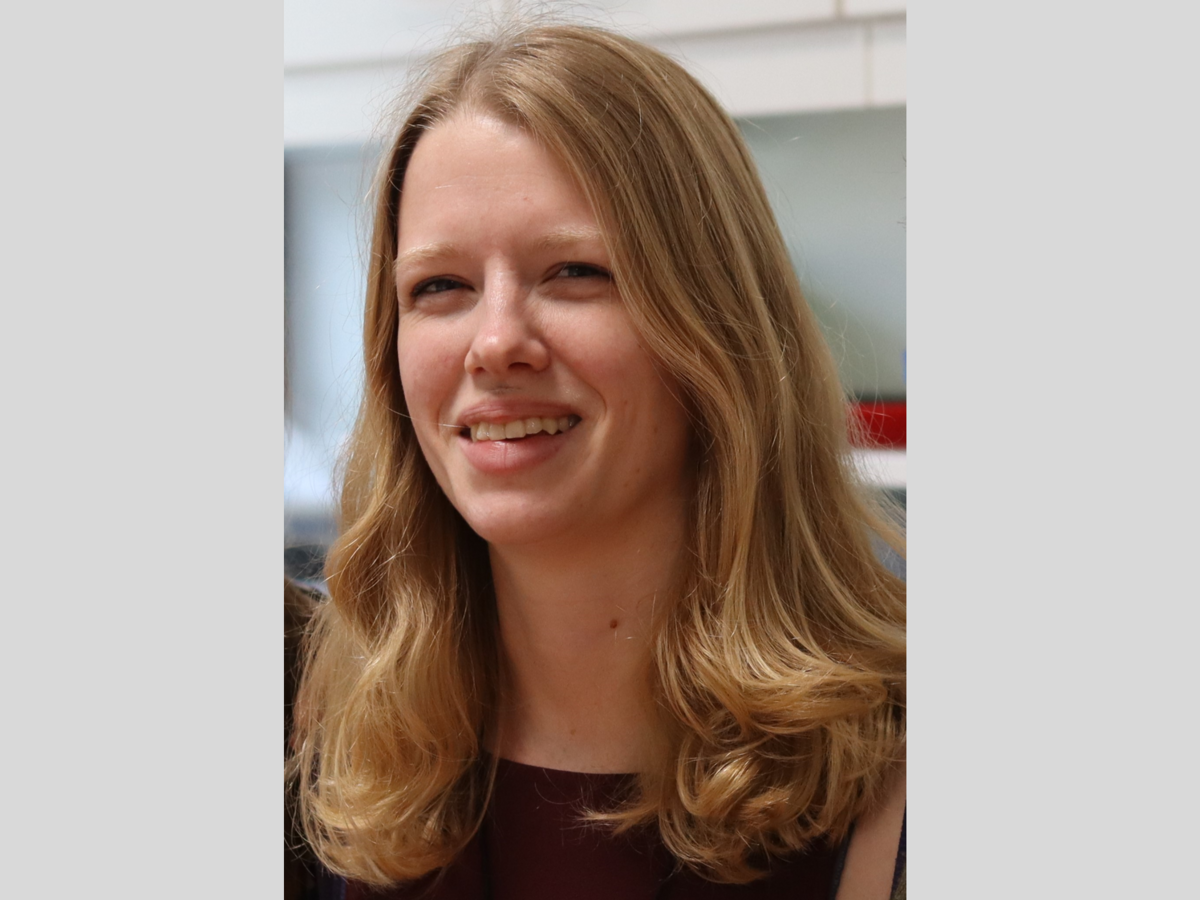
Dr. rer. nat, Postdoc
verena.gross[at]uni-greifswald.de
Hi, I am currently working in both the Bacterial Physiology group and the Microbial Proteomics group. I am involved in two research projects:
Alg4Nut: Here, we investigate the impact of algae supplementation in cattle feed on the rumen microbiome, with a particular focus on the proteome and the physiological functions of microorganisms involved in the degradation of algal polysaccharides.
WETSCAPES 2.0: In this project, we study the ecosystem functioning of rewetted fen peatlands and their surrounding landscapes in Mecklenburg-Western Pomerania.
Hauke Winter
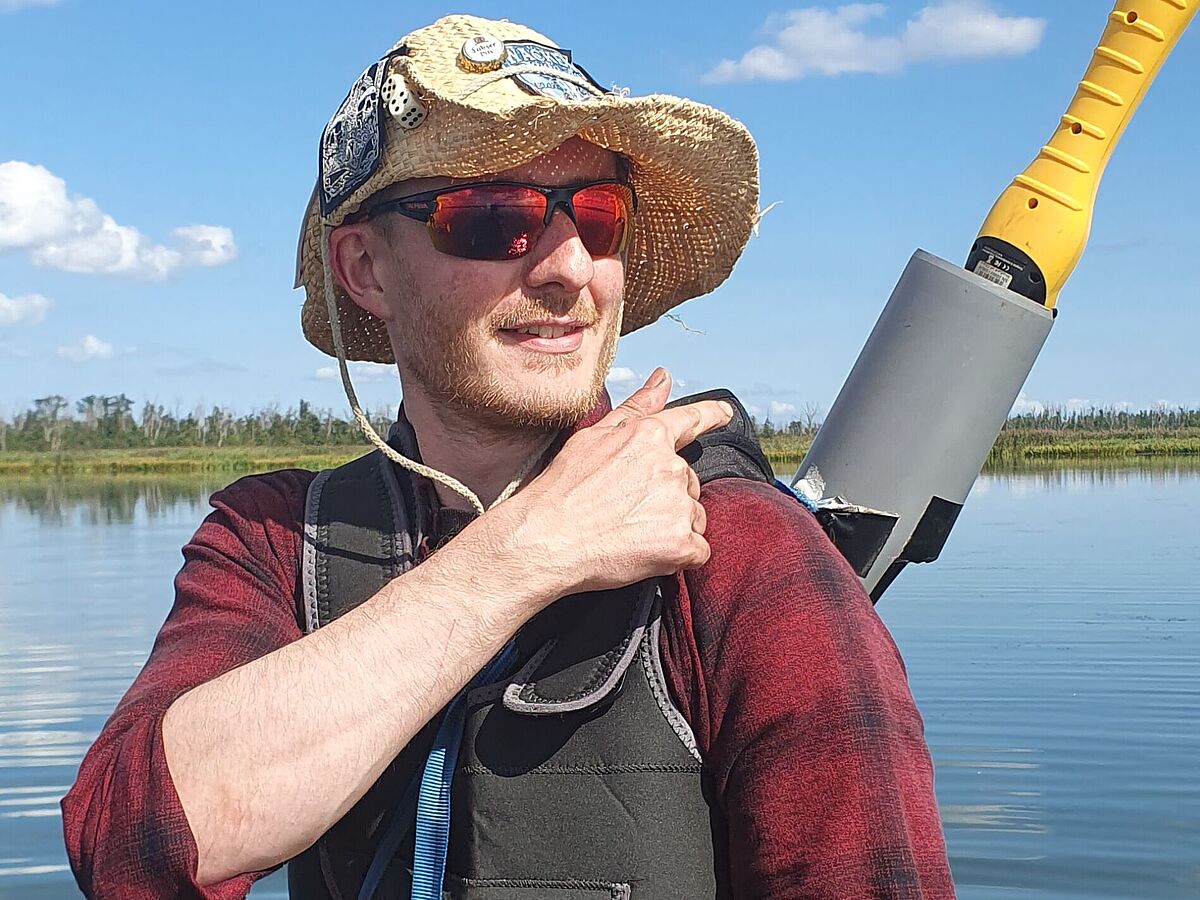
PhD Student
hauke.winter[at]stud.uni-greifswald.de
Microbial communities influence life on our planet on both small and large scales. In my PhD, I am primarily investigating the role of methanogenic archaea in rewetted peatlands. In addition, I am analyzing the anthropogenic impact on the microbial methane cycle in grassland soils. In my research, I combine classical microbiological methods - with a focus on anaerobic cultivation - with gas analysis approaches and PCR-based molecular genetic methods to understand the significance, and dynamics of rewetted peatlands and grasslands.
I welcome opportunities for scientific collaboration and am always excited to work with motivated students interested in microbial methane cycling, methanogenic archaea, or peatland microbiology. If you are looking for a bachelor’s or master’s thesis project in these fields, I would be happy to discuss potential research topics with you.
Anna Burns
PhD Student
anna.burns[at]uni-greifswald.de
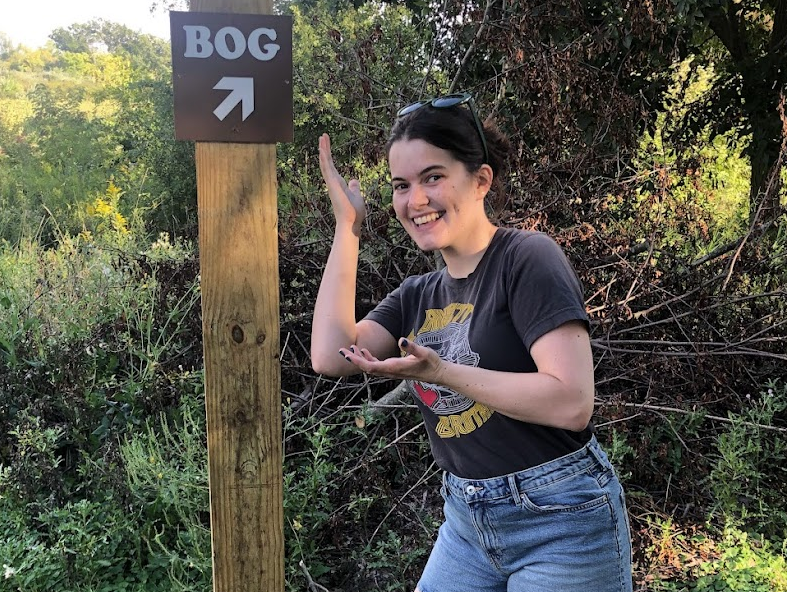
I am an ecologist interested in soil microbiomes of novel restored ecosystems. Using my background in data science, I apply machine learning and bioinformatic tools to analyze microbial presence and activity. My primary research focus is microbial nutrient cycling in rewetted peatland soils, using a systems ecology and data-driven approach to link microbiome functions with landscape-scale dynamics.
Die Hu

PhD Student
die.hu[at]uni-greifswald.de
I am a microbial ecologist interested in the diversity and functions of soil microbial communities, also include virus–microbe interactions. My expertise includes metagenomic and metatranscriptomic data analysis, e.g. genome assembly, annotation, and transcriptomic profiling.
I am involved in a research project: ‘‘SoilSystems: Systems ecology of soils – energy discharge modulated by microbiome and boundary conditions”. In this project, we aims to understand the contribution of predatory Myxobacteria in the soil food
web to (1) to the modulation of soil energy and matter fluxes and (2) how competition on the higher trophic levels affects microbiome-mediated SOM mineralisation. Secondly, we try to elucidate if different types of predation (myxobacteria or phage) affect the composition of microbial necromass.
Fran Pozaric
PhD Student
fran.pozaric[at]uni-greifswald.de
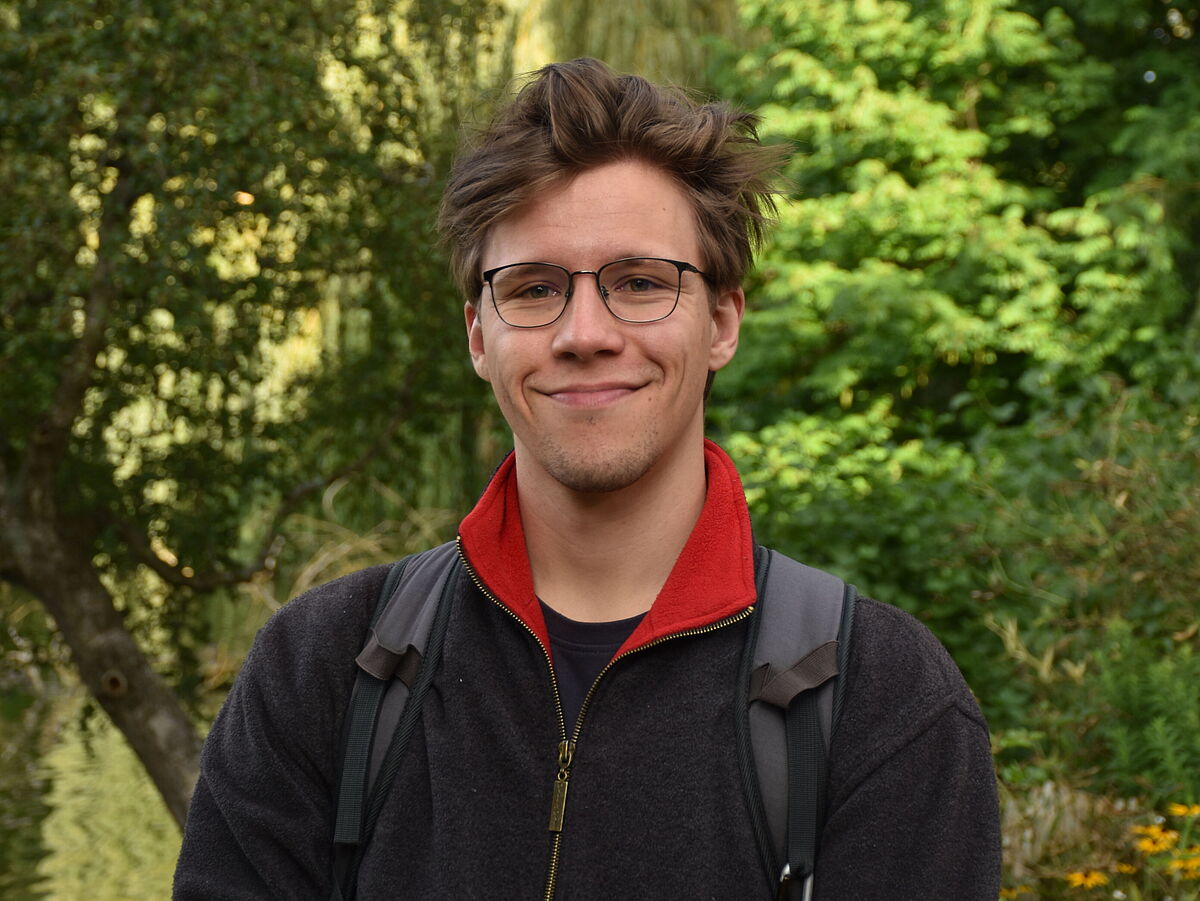
I am a microbial ecologist working on the DFG-funded project PeatAOA. My research centers on ammonia oxidizing archaea (AOA) living in fen peatland soils. AOA are ubiquitously distributed, contribute to global nitrogen and carbon cycles and can be involved in many ecological interactions. However, little is known on their ecophysiology and fuctional impact in peatlands, where they have been detected using molecular methods but no isolates exist to date. My aim is to enrich and isolate several representative peatland AOA and employ methods such as co-cultivation, microcosm incubation, stable isotope probing and metatranscriptomics to further the understanding of AOA physiology and its impact on ecosystem functioning.
Margret Holtz
PhD Student
margret.holtz[at]uni-greifswald.de
Marc Piecha
PhD Student
marc.piecha[at]uni-greifswald.de
Students
Johanna Mönning
M.Sc. Student
Mareike Wendt
M.Sc. Student
Amin Pishehvari
M.Sc. Student
Philipp Spieß
B.Sc. Student
philipp.spiess[at]stud.uni-greifswald.de
Lasse Seib
B.Sc. Student
Vanessa Ihlo
B.Sc. Student