Bacterial Physiology
Rumen Ecology: Methane Mitigation and algal influences

The greenhouse gas methane is a major product of rumination (ruminant conversion of cellulosic biomass). As cattle can produce up to 500 litres of methane per day per animal, their contribution to the anthropogenic methane emission is significant (30%). The reduction of methane emissions in ruminant farming represents a big ecological and economic challenge. In previous studies, certain species of algae have been shown to reduce methane emissions, putting algae into the focus of Alg4Nut.
Within Alg4Nut, we are focusing on the identification of methanogens and the influence of algal extracts on their activity in the rumen.
Read more on: https://www.alg4nut.uni-rostock.de/en/
Pansenökologie: Einfluss von Makroalgen auf Methanprodution
Das Treibhausgas Methan ist ein Hauptprodukt der Wiederkäuung (Umwandlung von zellulosehaltiger Biomasse durch Wiederkäuer). Da Rinder bis zu 500 Liter Methan pro Tag und Tier produzieren können, ist ihr Anteil an den anthropogenen Methanemissionen erheblich (30 %). Die Reduzierung der Methanemissionen in der Wiederkäuerhaltung stellt eine große ökologische und wirtschaftliche Herausforderung dar. In früheren Studien wurde gezeigt, dass bestimmte Algenarten die Methanemissionen reduzieren, weswegen sich Alg4Nut darauf konzentriert.
Im Rahmen von Alg4Nut fokussieren wir uns auf die Identifizierung von Methanogenen und den Einfluss von Algenextrakten auf deren Aktivität im Pansen.
Lesen Sie mehr auf: https://www.alg4nut.uni-rostock.de/en/
Das Projekt „Alg4Nut“ wird im Rahmen des EFRE-Programms 2021–2027 des Landes Mecklenburg-Vorpommern aus Mitteln des Europäischen Fonds für regionale Entwicklung der Europäischen Union gefördert. Das Projekt begann am 01.04.2025 und läuft bis zum 31.03.2029.
Aktenzeichen
EXF-25-1011 to EXF-25-1018
Microbial Interactions: Myxobacteria
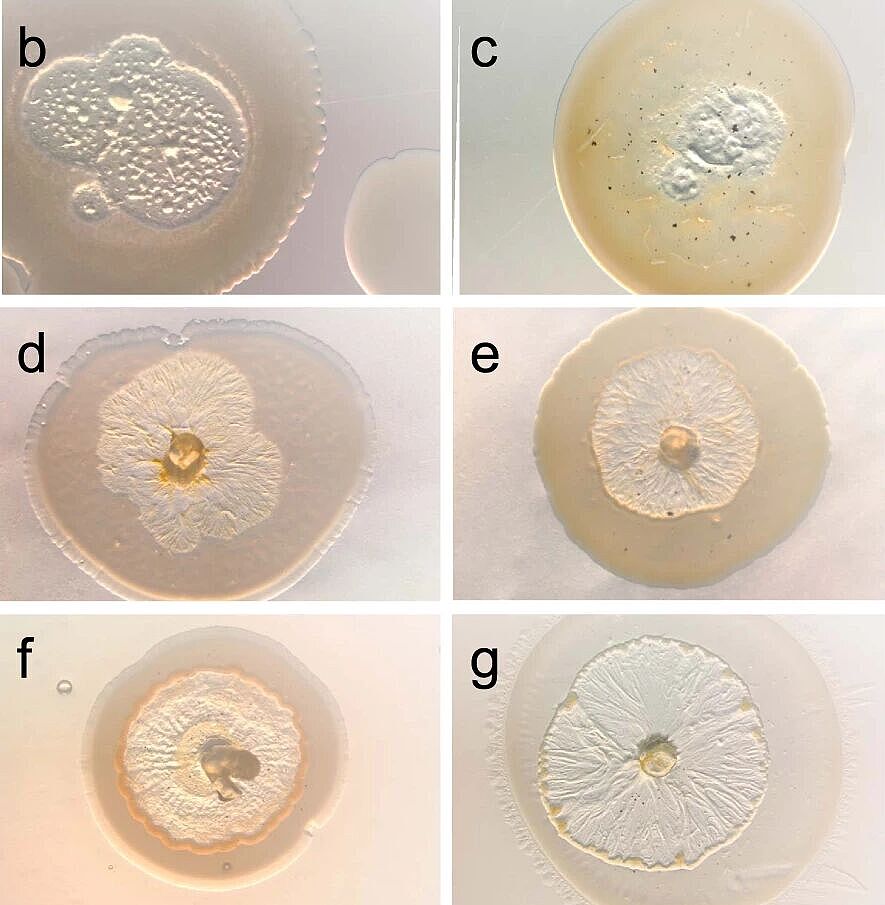
We investigate the mechanisms and ecological impact of microbial predation, focusing on the smallest microbial predators, myxobacteria. By exploring how myxobacteria interact with and prey upon other microbes, we aim to better understand the role these predators play in regulating microbial communities and influencing ecosystem processes and dynamics.
Wetland Ecology: Microbial-Mediated Methane Emission and Mitigation

Our research focuses on methanogenic archaea and the dynamic interactions between methanogens and methanotrophs, which play a critical role in methane cycling within wetland ecosystems. These processes are particularly significant in mires and moors, the predominant natural landscapes of Western Pomerania.
Global Change: Impact of Warming on Soil Microbiomes in Northern Ecosystems
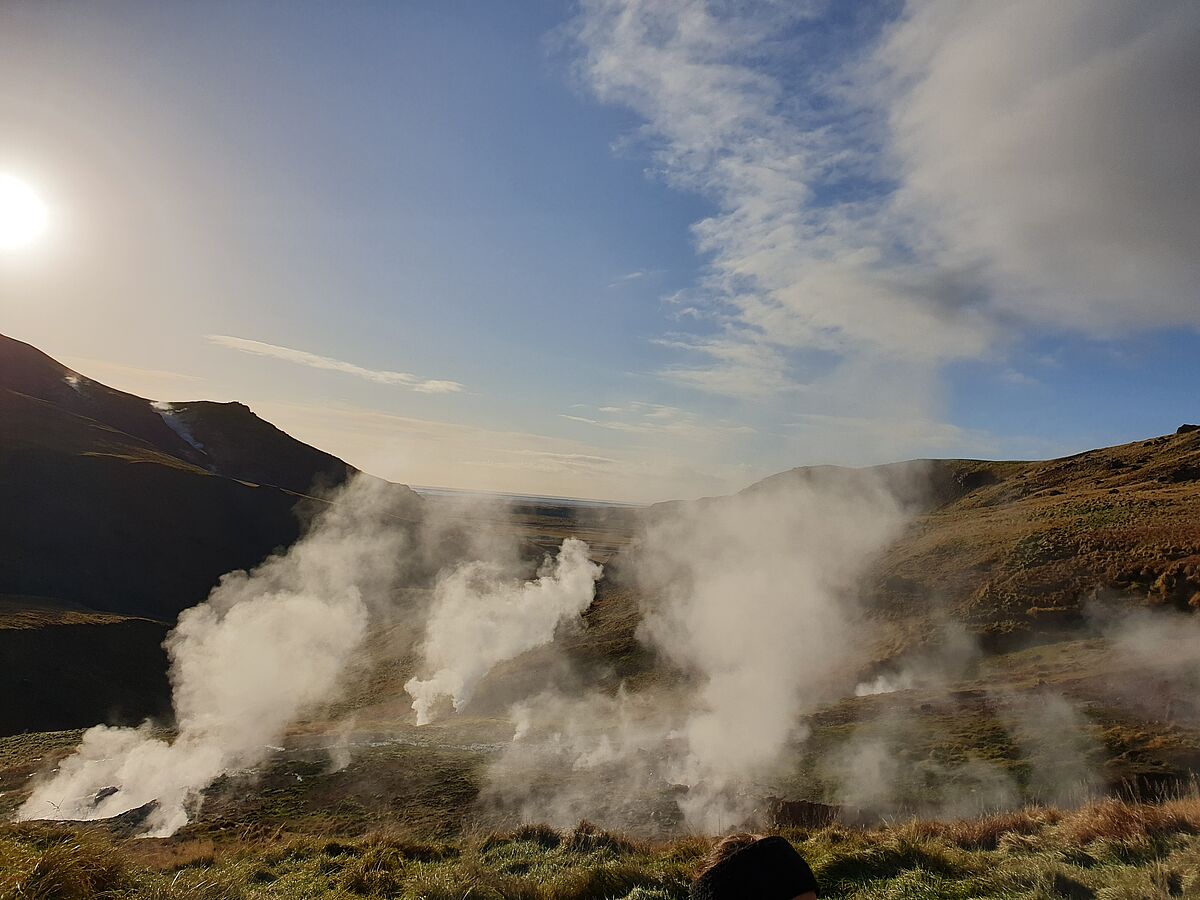
Using advanced molecular techniques, we analyze soil (micro)biota through comprehensive community assessments, food web structure analysis, and quantitative measurements of DNA and RNA marker molecules. This approach enables us to investigate the dynamics of soil ecosystems and their responses to environmental changes.